When deciding to travel, we are faced with the choice of whether to go with an organized tour company or do independent travel.
Organized tours have been around for a long time in various forms. The modern tour company can be traced back to 1841 when an enterprising British gentleman named Thomas Cook arranged for his local temperance society (a movement against consumption of alcoholic beverages) for a group excursion to have their next meeting at a town 12 miles away. He made round-trip arrangements to ride a relatively new innovation of the Industrial Age, the train, and provided them lunch as well. Thus began the era of packaged tours available to the masses.
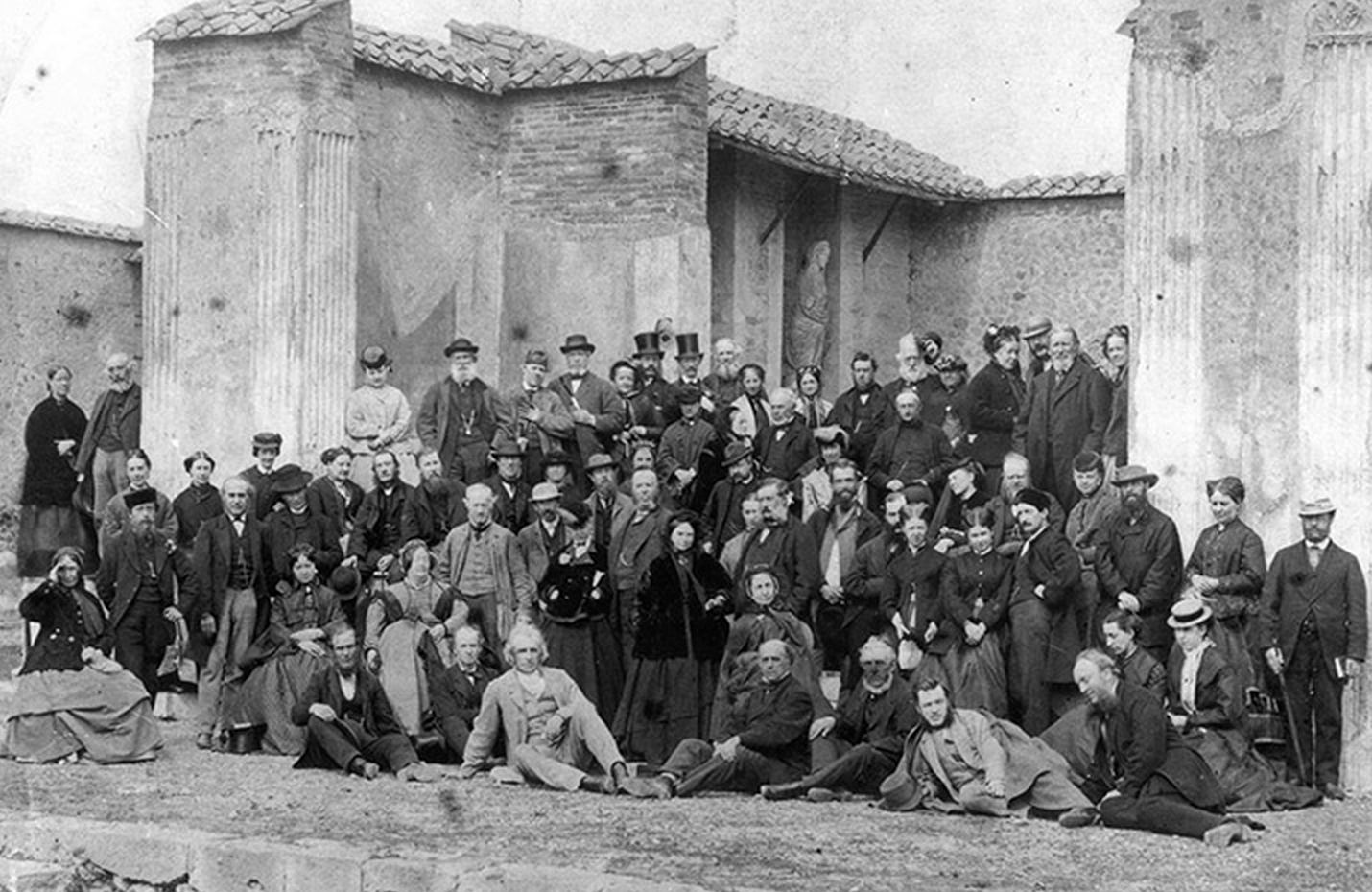
Thomas Cook Tour Group
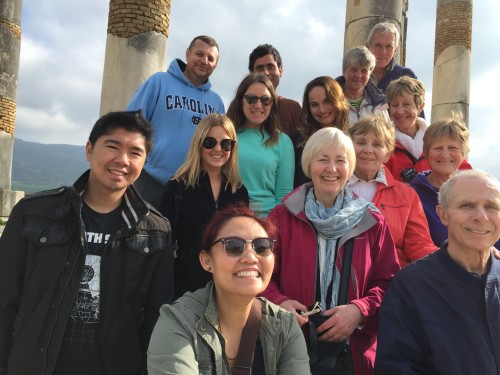
Intrepid Travel’s Moroccan’rollers
The history of independent travel, on the other hand, stretches back even further into time, to the dawn of human civilization. The movement of mankind’s ancestors, from the Neanderthals, Greek explorers, Vikings, pilgrims and conquerors, across the known world marked the beginning of human journey across the planet. Their efforts at exploring and discovery of unfamiliar terrain and environment are echoed in today’s adventurous independent travelers.
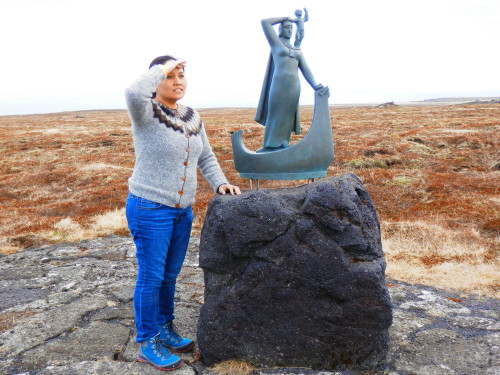
Viajera Filipina and Gudrid Thorbjarnardóttir – a Norse mother who was the most traveled woman of the Middle Ages
Both forms of travel serve their own purposes. There are several factors to consider in choosing one over the over. In some ways, organized tours would be the better choice while there are other aspects where independent travel has its advantages. They key in deciding is finding which suits your needs, priorities and travel style the best.
The following tables show a general overview of each way’s strengths and disadvantages.
[table id=4 /]
[table id=5 /]
[table id=6 /]
[table id=7 /]
*Note: Local independent guides for a particular city (i.e. Paris) or attraction (the ruins of Pompeii) can be hired by the company/tour leader or by the individual traveler. These guides provide detailed historical information and insight.
[table id=8 /]
[table id=9 /]
There are ways to find the balance between the pros and cons of these two ways to travel. One of them is to find a tour company whose itinerary provides a significant amount of free time in between scheduled activities, to allow for you to wander and discover a city or area on your own. Also, an independent traveler can join in short guided tours for part of their trip, in order to benefit from having the knowledge of a local guide and efficient transportation.
We have traveled both with organized tour groups and independently, and it suited us well in those situations. Some of the things we learned from these experiences include:
1. If you’re planning to join a tour group, do a thorough research on the company, read reviews and consider the general feedback given by their past clients. Get a sense of how they do business and their travel philosophy to see if they’re a good match for you. Check out the type of travelers who take their tours and see if they’re type of people you’d enjoy traveling with.
2. Read the trip notes and itinerary carefully to know what is included so that there will be no big surprises and to ensure that it meets your requirements and needs for the trip.
3. If you’re doing independent travel, utilize the information provided by guidebooks, travel blogs and magazines to craft an experience that you will enjoy. Even if you want spontaneity, you are still subject to forces such as train and bus schedules, museum closures, bad weather, political tensions, and other factors that you have to navigate and manage on your own. Plan smartly.
Do you have a preference between organized tours and independent travel? Share your experiences with us.



Leave a Reply